

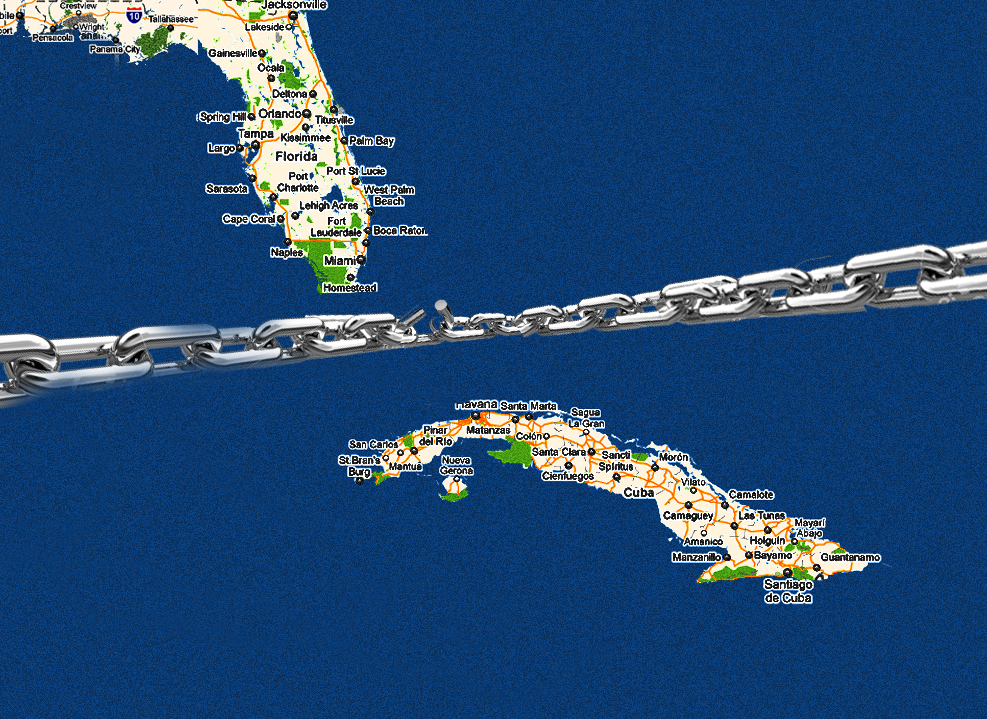
Understanding OFAC Sanctions on Cuba: Policies and Implications
The Office of Foreign Assets Control (OFAC), a division of the U.S. Department of the Treasury, plays a critical role in enforcing economic sanctions against various countries, including Cuba. Since the early 1960s, the U.S. government has established a comprehensive set of financial restrictions that aim to curb the Cuban government’s ability to engage in trade and finance with U.S. individuals and corporations. To understand these sanctions and their complexities, it is essential to explore their historical context and current applications. For more detailed information, you can visit OFAC sanctions Cuba https://foodtrucklady.com/pages/?ofac-sanctions-on-cuba-rules.html.
Historical Context of OFAC Sanctions on Cuba
The origins of OFAC sanctions against Cuba trace back to the Cold War period, particularly following the Cuban Revolution in 1959. The nationalization of U.S. businesses and properties by Fidel Castro’s government prompted President Dwight D. Eisenhower to institute an economic embargo as a form of political leverage. By 1962, President John F. Kennedy expanded the embargo, thereby formalizing a comprehensive sanctions regime that restricted all trade, investment, and financial transactions with Cuba.
Over the years, the sanctions have evolved, with various administrations implementing different policies regarding engagement with Cuba. While some presidents have sought to normalize relations and reduce sanctions, others have reinstated stricter measures. This shifting policy landscape highlights the changing dynamics of U.S.-Cuba relations and the influence of domestic politics on international policy.
Current OFAC Sanctions and Regulations
As of 2023, the climate regarding OFAC sanctions on Cuba remains complex. The sanctions ban most financial transactions, trade, and travel between the U.S. and Cuba. Specifically, they prohibit U.S. companies from exporting goods, services, and technology to Cuba without special licenses. Furthermore, individuals are barred from spending money or sending remittances to Cuban government-related entities.
However, some exceptions exist. For instance, certain categories, such as educational and religious travel, are still permitted under specific regulations. Additionally, the agricultural and medical sectors have seen limited allowances, recognizing the need for humanitarian support amidst ongoing economic difficulties in Cuba.
Impact on U.S.-Cuba Relations
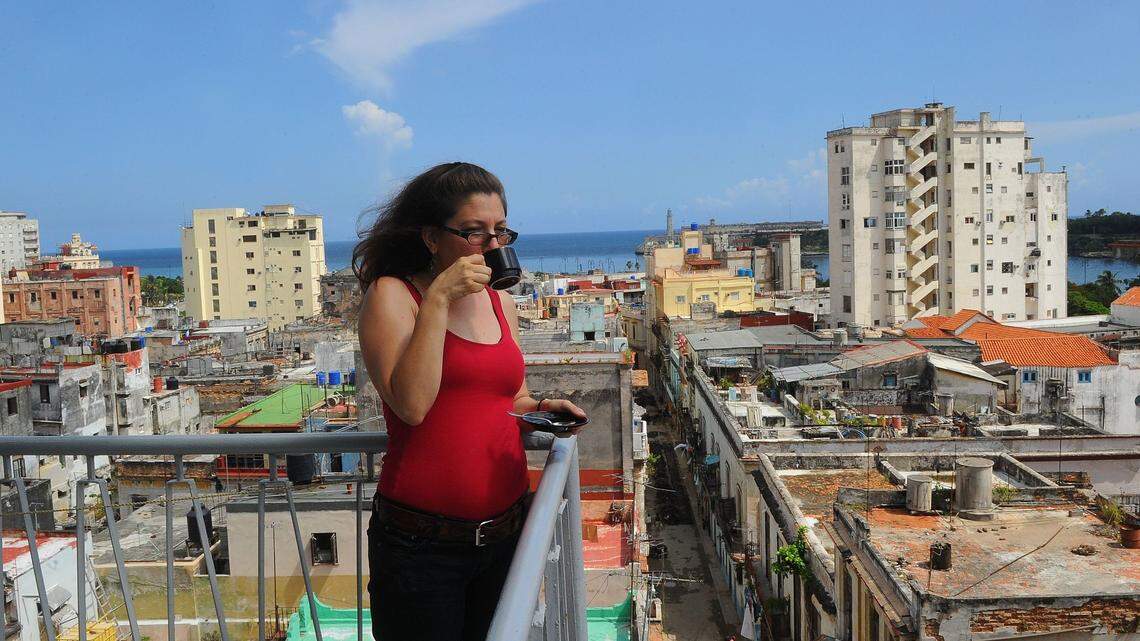
The sanctions have had significant repercussions not only for the Cuban economy but also for U.S.-Cuba diplomatic relations. The embargo has led to widespread economic hardship in Cuba, impacting health care, food supply, and general living conditions. Additionally, the Cuban government has often used the embargo as a scapegoat for its economic struggles, consolidating power by framing the U.S. as an adversary.
On the flip side, the sanctions have also shaped U.S. domestic politics, with differing views among lawmakers and citizens regarding the best appro
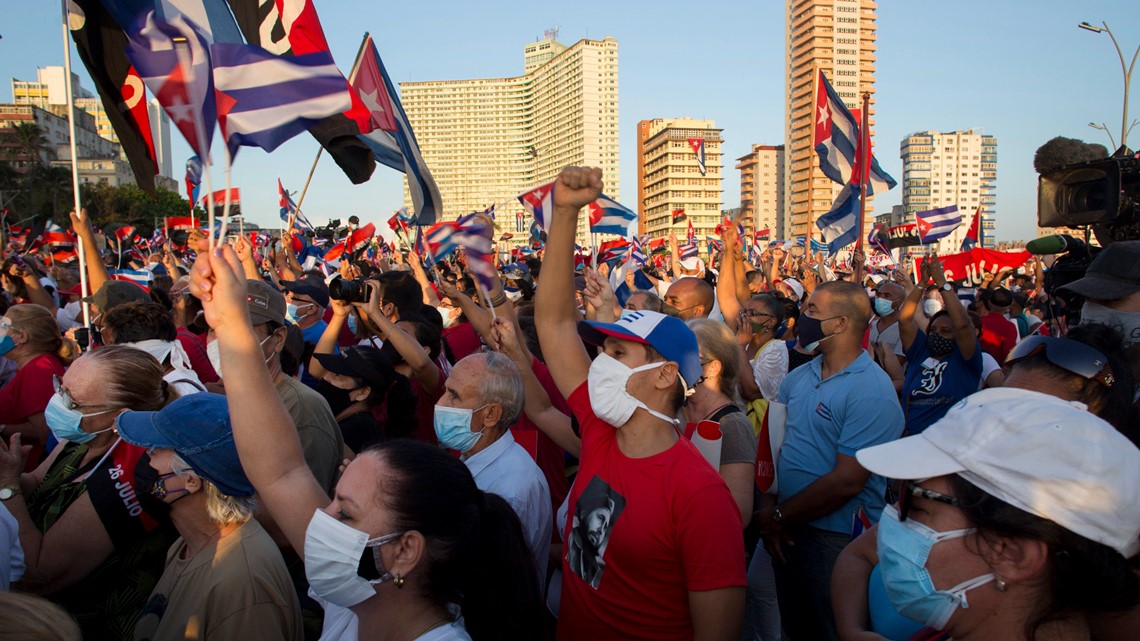
ach to handling relations with Cuba. Some advocate for maintaining or tightening sanctions to pressure the Cuban government into political and economic reforms, while others argue for engagement and diplomacy as a means to foster change.
Enforcement and Compliance Challenges
Enforcement of OFAC sanctions presents its own challenges, particularly given the rise of digital currencies and international trade networks that complicate the monitoring of compliance. U.S. entities engaged in global commerce must navigate a labyrinth of regulations to ensure adherence to sanction laws while also exploring opportunities for legitimate trade.
Moreover, the complexity of compliance affects not just U.S. businesses but also foreign companies that operate with U.S. interests. Violation of OFAC regulations can lead to severe penalties, including hefty fines and restrictions on future business operations, underscoring the importance of robust compliance programs.
Conclusion
The OFAC sanctions on Cuba represent a significant aspect of U.S. foreign policy, intertwining historical narratives with contemporary political and economic realities. As discussions around potential reform or relief of these sanctions continue, understanding the nuances of the regulations and their impact becomes increasingly vital for policymakers, businesses, and citizens alike.
In summary, OFAC sanctions are not just mere restrictions but are part of a broader strategy that influences not only Cuba’s domestic landscape but also its relationship with the United States and the international community. Only time will tell how these policies will evolve in response to changing political climates and the quest for greater cooperation between the two nations.